

What To Expect During Your First OBGYN Appointment
August 25, 2026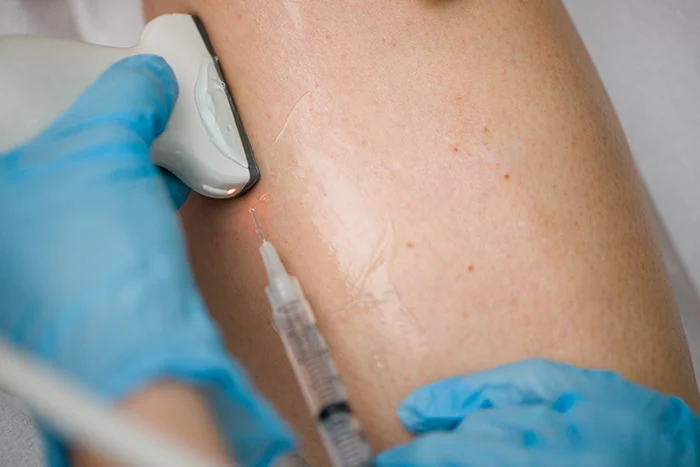
Varicose veins are enlarged, twisted veins. They form when valves inside the vessel fail to keep blood flowing toward the heart, which causes blood to pool and stretch the vein walls. Left untreated, they can lead to chronic swelling, skin changes, and venous ulcers; early intervention is recommended. Treatment options include sclerotherapy and ablation procedures. Here is more information on this condition and its long-term effects:
What Are Varicose Veins?
Varicose veins are swollen, rope-like veins that typically appear on the legs and feet. They develop when small valves inside the veins weaken, and blood pools instead of moving efficiently back to the heart. Over time, this pooling stretches the vein walls, which creates the bulging, blue-purple appearance associated with the condition. Some patients may notice only mild discoloration, while others see visible swelling along the vein. Radiology imaging plays a central role in diagnosing and treating varicose veins.
What Causes Them?
Several factors contribute to varicose vein development, including:
- Genetics: People with a family history of varicose veins are more likely to develop the condition.
- Age: Vein walls naturally lose elasticity over time, making valve failure more prevalent later in life.
- Prolonged standing or sitting: Reduced movement decreases circulation efficiency, placing additional strain on vein valves.
- Obesity: Excess body weight forces valves to work harder against increased pressure within the venous system.
Understanding these risk factors helps identify individuals who may benefit from early evaluation and intervention.
What Are the Long-term Effects?
Untreated varicose veins may worsen over time. Patients typically experience progressive swelling, aching, and a heavy sensation in the legs that worsens throughout the day, and these symptoms affect daily functioning. As blood continues to pool in the affected veins, skin discoloration and tissue hardening may develop, which advances to venous ulcers near the ankles in more severe cases.
Chronic venous insufficiency is one of the more serious long-term outcomes, and it occurs when persistent valve failure disrupts normal blood flow. This prolonged disruption causes lasting tissue damage. Blood clots can also form in enlarged veins, occasionally raising the risk of deep vein thrombosis, which makes regular monitoring an integral component of ongoing care. Regular imaging follow-ups help track disease progression and determine whether intervention has become necessary.
What Are the Treatment Options?
Sclerotherapy and ablation procedures are two standard treatments for varicose veins. Sclerotherapy involves injecting a solution directly into the affected vein, which causes it to collapse and gradually fade. Because this method relies on ultrasound imaging for guidance, specialists can target specific veins with high precision, and it suits a range of vein sizes and locations.
Ablation procedures use heat generated by radiofrequency energy to seal off the problematic vein from the inside, and once closed, blood naturally reroutes to healthier nearby veins. Both approaches are minimally invasive. Patients may resume normal activities within a couple of days. The most appropriate treatment depends on the size and location of the affected vein; a specialist will also assess the patient’s overall vascular health before making a recommendation.
Consult a Specialist Today
Varicose veins may progress rather than resolve on their own; early evaluation helps anyone noticing symptoms. Radiology imaging offers a clear, non-invasive way to assess vein health and catch valve dysfunction before it advances. A specialist can recommend whether monitoring, sclerotherapy, or an ablation procedure fits your situation. If you have a varicose vein, schedule a consultation with a radiologist.