
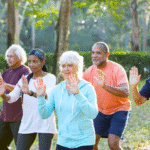
How to Maintain Healthy Aging in Seniors: Simple Tips for a Better Quality of Life
July 28, 2026
How to Improve Heart Health Naturally: Simple Lifestyle Tips for a Stronger Heart
July 28, 2026
Staying active is one of the best ways for older adults to maintain a healthy and independent lifestyle. As people age, muscles may become weaker, joints can become stiffer, and daily activities may feel more challenging. However, regular exercise can help elderly people improve their strength, flexibility, balance, and overall well-being.
The good news is that exercise does not have to mean intense workouts or spending hours at a gym. Simple movements like walking, stretching, balance exercises, and light strength training can make a big difference. The key is choosing safe exercises that match a person’s fitness level and health condition.
This guide explains the best exercises for elderly people to stay active, along with their benefits and tips for creating a safe exercise routine.
Why Exercise Is Important for Elderly People
Regular physical activity becomes even more important with age because it helps the body stay strong and functional. Many older adults experience changes such as reduced muscle mass, lower energy levels, and decreased flexibility. Exercise can slow down these changes and support a healthier lifestyle.
Some important benefits of exercise for seniors include:
- Improved muscle strength: Strength exercises help maintain muscles needed for daily tasks like walking, climbing stairs, and carrying groceries.
- Better balance and coordination: Balance exercises reduce the risk of falls, which are common concerns among older adults.
- Stronger bones: Weight-bearing activities can support bone health and reduce the risk of osteoporosis.
- Better heart health: Regular movement supports healthy blood circulation and cardiovascular function.
- Improved mood: Exercise can reduce stress, anxiety, and feelings of loneliness by releasing natural mood-boosting chemicals.
- More independence: Staying active helps seniors continue doing everyday activities without depending too much on others.
Before starting any new exercise program, elderly individuals should consider their health conditions and consult a healthcare professional if needed.
Walking: The Best Beginner Exercise for Seniors
Walking is one of the easiest and safest exercises for elderly people. It requires no special equipment and can be done almost anywhere, such as a park, shopping area, or even inside the home.
Regular walking helps improve:
- Heart and lung health
- Leg strength
- Balance
- Energy levels
- Joint movement
Older adults can begin with short walks of 10 to 15 minutes and slowly increase the duration as their stamina improves. Wearing comfortable shoes and maintaining good posture can make walking safer and more enjoyable.
For seniors who have difficulty walking outdoors, indoor walking around the house or a shopping centre can also provide health benefits.
Chair Exercises for Elderly People
Chair exercises are excellent for seniors who have limited mobility or difficulty standing for long periods. These exercises allow people to strengthen their muscles while staying supported.
Examples of simple chair exercises include:
Seated Leg Lifts
Sit straight on a sturdy chair and slowly lift one leg while keeping the other foot on the floor. Hold for a few seconds, then lower it gently.
Benefits include:
- Strengthening thigh muscles
- Improving leg movement
- Supporting better walking ability
Seated Marching
While sitting, lift one knee at a time as if marching. This simple movement improves circulation and activates the leg muscles.
Chair exercises are a great option for beginners because they reduce strain while still helping the body stay active.
Strength Training for Older Adults
Many people believe strength training is only for younger individuals, but it is highly beneficial for seniors as well. Building and maintaining muscle strength helps older adults perform daily activities more easily.
Simple strength exercises include:
- Lifting light weights
- Using resistance bands
- Wall push-ups
- Leg strengthening exercises
For example, seniors can use small water bottles as light weights for arm exercises. The goal is not to lift heavy loads but to keep muscles active and strong.
Strength training two to three times per week can help reduce muscle loss and improve physical ability.
Balance Exercises to Prevent Falls
Falls are a major concern for many elderly people. Balance exercises help improve stability and confidence while moving.
Some helpful balance exercises include:
Standing on One Foot
Hold onto a chair or table for support and slowly lift one foot off the ground. Try holding the position for a few seconds before switching sides.
Heel-to-Toe Walking
Place one foot directly in front of the other and slowly walk in a straight line. This exercise improves coordination and balance.
Side Leg Raises
Stand behind a chair and lift one leg to the side while keeping your body straight.
Doing balance exercises regularly can help seniors feel more secure while walking and reduce the chance of falls.
Stretching Exercises for Flexibility
Flexibility naturally decreases with age, making movements like bending and reaching more difficult. Stretching exercises help keep joints flexible and reduce stiffness.
Useful stretches for seniors include:
- Neck stretches
- Shoulder stretches
- Arm stretches
- Hamstring stretches
- Calf stretches
Stretching should always be done slowly and gently. Seniors should avoid sudden movements and never stretch to the point of pain.
A few minutes of stretching every day can improve mobility and make daily activities easier.
Water Exercises for Seniors
Swimming and water-based exercises are excellent choices for elderly people because water reduces pressure on the joints. This makes them especially helpful for individuals with arthritis or joint discomfort.
Benefits of water exercises include:
- Improved muscle strength
- Better flexibility
- Reduced joint stress
- Increased confidence in movement
Water walking, gentle swimming, and senior water aerobics are popular options for staying active without putting too much pressure on the body.
Yoga and Gentle Mind-Body Exercises
Gentle yoga can be a great exercise option for older adults because it combines stretching, balance, breathing, and relaxation.
Senior-friendly yoga can help improve:
- Flexibility
- Balance
- Posture
- Mental relaxation
Older adults should choose beginner-level yoga classes designed for seniors. Movements should be slow and comfortable, with modifications when necessary.
Tai chi is another gentle activity that uses slow movements and controlled breathing. It is often recommended for improving balance and reducing fall risks.
Tips for Safe Exercise for Elderly People
Safety should always come first when starting an exercise routine. Following a few simple tips can make workouts more comfortable and effective.
Start Slowly
Older adults should avoid doing too much too quickly. The body needs time to adjust to new activities.
Warm Up Before Exercise
A short warm-up prepares muscles and joints for movement. Simple walking or gentle stretching for five minutes can help.
Stay Hydrated
Drinking enough water is important, especially during physical activity.
Listen to Your Body
Mild tiredness after exercise is normal, but sharp pain, dizziness, or breathing problems should not be ignored.
Choose Enjoyable Activities
The best exercise is one that a person enjoys and can continue regularly. Activities like gardening, dancing, walking with friends, or light household tasks can also support an active lifestyle.
How Much Exercise Do Seniors Need?
The amount of exercise needed depends on a person’s health, fitness level, and goals. Many health experts recommend that older adults aim for regular weekly activity that includes:
- Moderate aerobic activities like walking
- Muscle-strengthening exercises
- Balance activities
- Flexibility exercises
Even small amounts of daily movement can provide benefits. Consistency is more important than doing intense workouts.
A 15-minute walk every day is better than exercising once a week and then stopping.
Creating a Simple Exercise Routine for Elderly People
A balanced routine can include different types of activities throughout the week.
Example routine:
Monday: 20-minute walk and stretching
Tuesday: Light strength exercises
Wednesday: Balance exercises and gentle yoga
Thursday: Walking or water exercises
Friday: Chair exercises and stretching
Weekend: Fun activities like gardening or dancing
The routine should be flexible and adjusted according to comfort and ability.
Conclusion
Exercise plays an important role in helping elderly people stay healthy, active, and independent. The best exercises for elderly people to stay active include walking, chair exercises, strength training, balance exercises, stretching, water activities, and gentle yoga.
The most important thing is to choose safe activities and make movement a regular part of daily life. Small steps can lead to big improvements in strength, confidence, and quality of life.
Aging does not mean giving up an active lifestyle. With the right exercises and a positive approach, seniors can continue enjoying movement and maintaining their independence.
Frequently Asked Questions (FAQs)
1. What is the best exercise for elderly people?
Walking is one of the best exercises for seniors because it is simple, safe, and helps improve heart health, strength, and mobility. Other good options include stretching, balance exercises, and light strength training.
2. How often should elderly people exercise?
Most seniors should try to stay active on most days of the week. A combination of walking, strength exercises, stretching, and balance activities can provide the best results.
3. Can elderly people exercise if they have joint pain?
Yes, many seniors with joint pain can exercise safely. Low-impact activities like swimming, chair exercises, and gentle stretching are often easier on the joints.
4. Are strength exercises safe for older adults?
Yes, strength training can be safe and beneficial for seniors when done correctly. Using light weights, resistance bands, or body-weight exercises can help maintain muscle strength.
5. What exercises help prevent falls in elderly people?
Balance exercises such as standing on one foot, heel-to-toe walking, and tai chi can improve stability and help reduce the risk of falls. Regular strength training can also support better balance.

