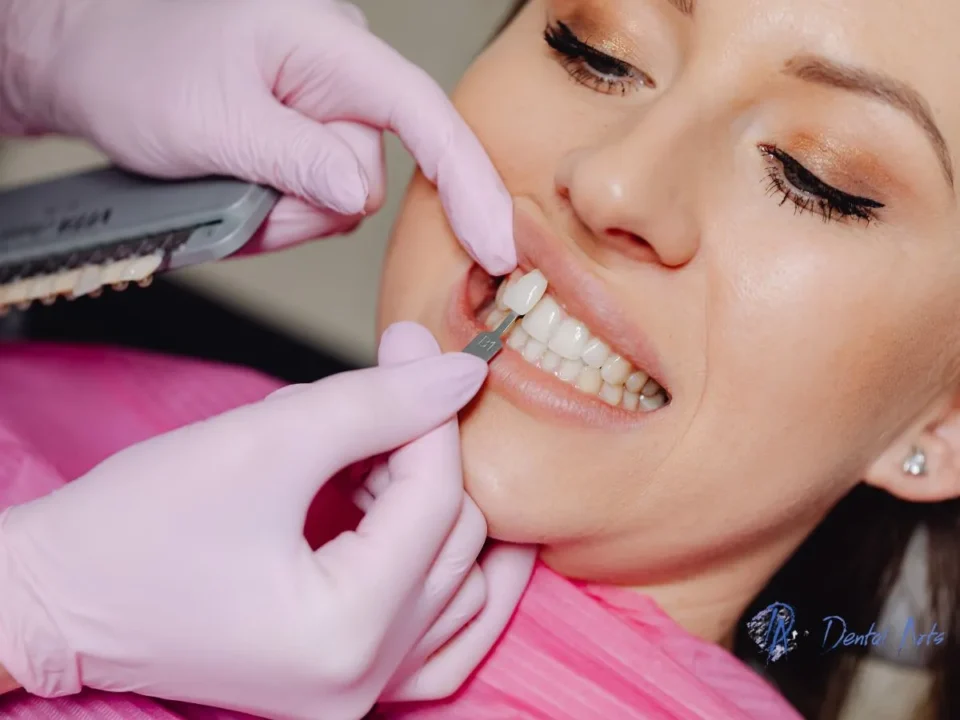
How to Maintain Good Oral Health Naturally: Simple Tips for a Healthy Smile
July 28, 2026
How to Maintain Women’s Reproductive Health Naturally: Simple Tips for a Healthy Body
July 28, 2026
Tooth decay is one of the most common dental problems that affects people of all ages. It happens when harmful bacteria in the mouth produce acids that damage the tooth enamel, leading to cavities, pain, and sensitivity. While regular dental checkups are important, many effective habits can help you prevent tooth decay at home and maintain a healthy smile for years.
Good oral health does not require complicated routines. Simple daily actions like brushing correctly, eating tooth-friendly foods, drinking enough water, and keeping your mouth clean can make a big difference. By following the right preventive steps, you can reduce your risk of cavities and protect your teeth naturally.
This article explains the best ways to prevent tooth decay at home using easy and practical methods that anyone can follow.
Brush Your Teeth Properly Twice a Day
Brushing your teeth is the most important step in preventing tooth decay. However, many people brush quickly without using the correct technique, which allows plaque and bacteria to remain on the teeth.
Plaque is a sticky layer of bacteria that builds up on tooth surfaces. When plaque is not removed, it produces acids that weaken enamel and cause cavities.
For better protection:
- Brush your teeth at least two times every day.
- Use a soft-bristle toothbrush to avoid damaging gums.
- Brush for about two minutes each time.
- Clean all tooth surfaces, including the front, back, and chewing areas.
- Replace your toothbrush every three to four months.
Using gentle circular motions while brushing helps remove plaque more effectively. Avoid brushing too aggressively because it can wear down enamel and irritate your gums.
Use Fluoride Toothpaste for Stronger Teeth
Fluoride is a natural mineral that helps strengthen tooth enamel and protect teeth from acid attacks. Using fluoride toothpaste is one of the easiest ways to prevent cavities at home.
Fluoride helps repair early damage to teeth and makes enamel more resistant to decay. When choosing toothpaste, look for one that contains fluoride and is approved by dental health organizations.
A small amount of toothpaste is enough for effective cleaning. Children should use an age-appropriate amount based on dental recommendations.
Floss Daily to Remove Hidden Plaque
Many people brush their teeth regularly but forget about flossing. Unfortunately, toothbrush bristles cannot reach the tight spaces between teeth where food particles and bacteria often hide.
Flossing helps remove plaque between teeth and along the gumline. This reduces the chance of cavities developing in areas that are difficult to clean.
To floss correctly:
- Use around 18 inches of dental floss.
- Gently slide the floss between teeth.
- Curve it around each tooth and move it carefully.
- Avoid snapping the floss into the gums.
If traditional floss is difficult to use, floss picks or water flossers can also help clean between teeth.
Limit Sugary Foods and Drinks
Sugar is one of the biggest causes of tooth decay. When you eat sugary foods, bacteria in your mouth use the sugar to create acids. These acids attack tooth enamel and increase the risk of cavities.
Common sugary items that can harm teeth include:
- Candy
- Soft drinks
- Sweetened juices
- Cookies
- Cakes
- Sugary snacks
You do not have to completely avoid sweets, but reducing how often you consume them can protect your teeth. Try eating sugary foods with meals instead of frequently snacking throughout the day.
After eating something sweet, rinse your mouth with water to help remove leftover sugar.
Eat Foods That Support Dental Health
A healthy diet plays an important role in maintaining strong teeth. Certain foods provide minerals and nutrients that support enamel strength and gum health.
Foods that are good for your teeth include:
- Dairy products like milk, cheese, and yogurt
- Crunchy vegetables such as carrots and celery
- Leafy greens
- Nuts and seeds
- Eggs
- Lean proteins
Calcium and phosphorus help strengthen teeth, while crunchy fruits and vegetables can increase saliva production. Saliva naturally helps wash away food particles and neutralize harmful acids.
Drink Plenty of Water
Water is one of the simplest and most effective ways to protect your teeth. Drinking water helps remove food particles and bacteria from your mouth.
Water also helps maintain saliva production. Saliva is important because it protects teeth by neutralizing acids and providing minerals that help repair enamel.
Choosing water instead of sugary drinks can significantly lower your risk of tooth decay. If your local water supply contains fluoride, it may also provide additional protection against cavities.
Avoid Frequent Snacking Between Meals
Frequent snacking keeps your teeth exposed to acids for longer periods. Every time you eat, bacteria in your mouth can produce acids that attack enamel.
Constant eating throughout the day does not give your teeth enough time to recover.
To protect your teeth:
- Eat balanced meals at regular times.
- Choose healthy snacks.
- Avoid continuous sipping of sugary drinks.
- Give your mouth time between meals.
If you need a snack, choose options like cheese, nuts, or fresh vegetables instead of sugary foods.
Clean Your Tongue Regularly
Your tongue can collect bacteria that contribute to bad breath and oral health problems. Cleaning your tongue helps reduce bacteria levels in your mouth.
You can clean your tongue by:
- Gently brushing it with your toothbrush.
- Using a tongue scraper.
- Rinsing your mouth after cleaning.
A cleaner tongue can improve overall mouth hygiene and support fresher breath.
Use Mouthwash When Needed
Mouthwash can be a helpful addition to your oral care routine. Some mouthwashes contain fluoride, which provides extra protection against cavities.
However, mouthwash should not replace brushing and flossing. It works best as an additional step after proper cleaning.
Choose a mouthwash that matches your dental needs. If you have frequent cavities, a fluoride mouthwash may provide extra support.
Avoid Smoking and Tobacco Products
Smoking and tobacco use can damage your teeth and gums. Tobacco increases the risk of gum disease, tooth discoloration, bad breath, and other oral health problems.
Avoiding tobacco products helps protect your mouth and improves your overall health. If you currently use tobacco, reducing or quitting can greatly benefit your dental health.
Visit Your Dentist Regularly
Even with excellent home care, professional dental checkups are still necessary. Dentists can detect early signs of tooth decay that may not be visible or painful yet.
Regular dental visits help with:
- Professional cleaning
- Early cavity detection
- Gum health checks
- Personalized oral care advice
Most people benefit from dental checkups every six months, but your dentist can recommend the best schedule based on your needs.
Protect Your Teeth From Damage
Tooth decay is not the only threat to dental health. Physical damage can also weaken teeth.
Avoid habits like:
- Chewing ice
- Opening packages with your teeth
- Biting hard objects
- Grinding teeth without protection
If you grind your teeth during sleep, talk to a dentist about possible solutions such as a mouth guard.
Teach Children Good Oral Hygiene Habits
Developing healthy dental habits early can prevent future problems. Parents should teach children how to brush and floss properly from a young age.
Helpful tips for children include:
- Making brushing a daily routine.
- Limiting sugary snacks.
- Supervising brushing until they can do it correctly.
- Taking children for regular dental visits.
Good habits learned during childhood often continue throughout life.
Natural Ways to Support Healthy Teeth
Some natural habits can support your oral health along with regular brushing and flossing.
Helpful practices include:
- Eating a balanced diet rich in vitamins.
- Drinking enough water.
- Chewing sugar-free gum to increase saliva.
- Rinsing your mouth after meals.
- Maintaining overall healthy lifestyle habits.
Remember that natural methods work best when combined with proper dental care.
Conclusion
Preventing tooth decay at home is possible with consistent daily habits and smart lifestyle choices. Brushing twice a day, flossing regularly, eating healthy foods, limiting sugar, and drinking water are simple steps that can protect your teeth from cavities.
A healthy smile depends on regular care and prevention. Small changes in your daily routine can make a big difference in your dental health. By following these tips and maintaining regular dental checkups, you can keep your teeth strong, clean, and healthy for many years.
Frequently Asked Questions (FAQs)
1. What is the best way to prevent tooth decay at home?
The best way to prevent tooth decay at home is to brush twice daily with fluoride toothpaste, floss regularly, reduce sugar intake, drink water, and maintain good oral hygiene habits.
2. Can tooth decay be prevented naturally?
Yes, tooth decay can often be prevented naturally by eating a healthy diet, drinking enough water, increasing saliva production, and keeping your mouth clean. However, fluoride and professional dental care also play important roles.
3. How often should I brush my teeth to avoid cavities?
You should brush your teeth at least twice a day, especially in the morning and before going to sleep. Brushing before bedtime is important because bacteria can grow during the night.
4. Does sugar always cause tooth decay?
Sugar does not directly create cavities, but it feeds harmful bacteria in the mouth. These bacteria produce acids that damage tooth enamel and increase the risk of decay.
5. Can flossing really prevent cavities?
Yes, flossing helps remove plaque and food particles from between teeth where a toothbrush cannot reach. Regular flossing lowers the risk of cavities and supports healthier gums.